

How to choose Blade for your single shaft shredder?
Lets see the fetures of different material blade.
For heavy-duty metal shredding, DC53 and D2 (along with its Japanese equivalent, SKD-11) are the best choices. They offer the critical hardness (HRC 58-62) required to cut through dense, abrasive scrap.
However, the "best" material depends on your specific operational setup.
1. The Premium Choices (Best Overall)
DC53: This upgraded die steel is widely considered the top choice for shredding metal. It offers the extreme wear resistance of D2 but doubles the toughness. It resists the cracking and edge-chipping caused by the heavy impact of shredding mixed or heavy metals.
D2 / SKD-11: D2 (U.S. standard) and SKD-11 (Japanese standard) are high-carbon, high-chromium tool steels. They represent the global standard for reliable wear resistance when shredding stable, cleaner scrap metals.
2. Specialized & Budget Metal Options
Cr12MoV: A high-carbon, high-chromium cold work steel (Chinese standard). It is highly cost-effective and suitable for processing ordinary metals (like aluminum or low-carbon steel) on a limited budget. However, it may require more frequent resharpening.
LD: An alloy tool steel with good hardenability and strong resistance to highly abrasive materials. It is frequently utilized when long continuous service life is required for shredding scrap.
3. Materials to Avoid or Use with Caution
6CrW2Si & 42CrMo: These are typically reserved for shredding softer materials like plastics, wood, or fibrous waste. They are generally too soft and lack the abrasion resistance required for heavy industrial metal shredding, which will cause them to dull rapidly
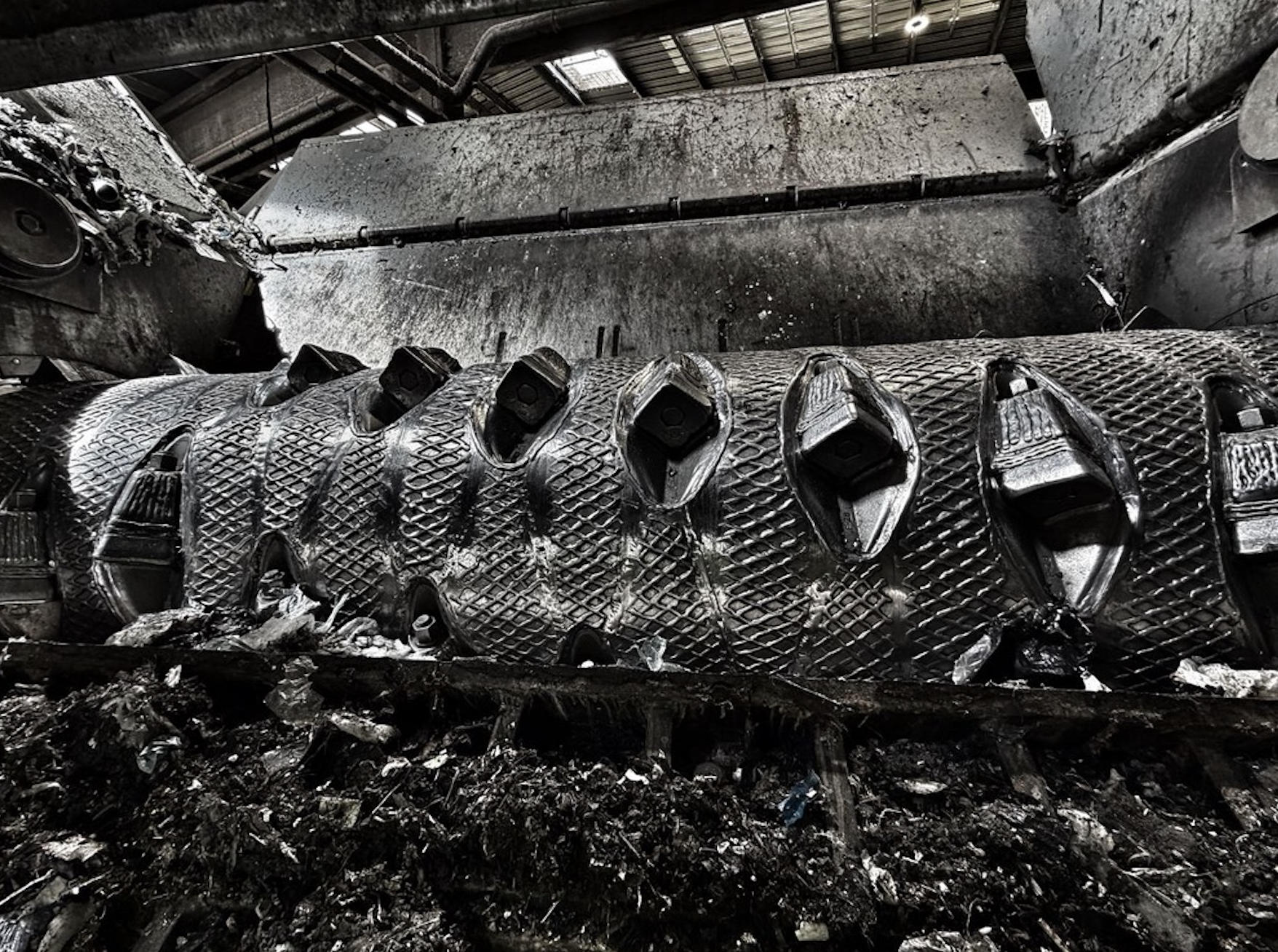
The high wear-resistant blade
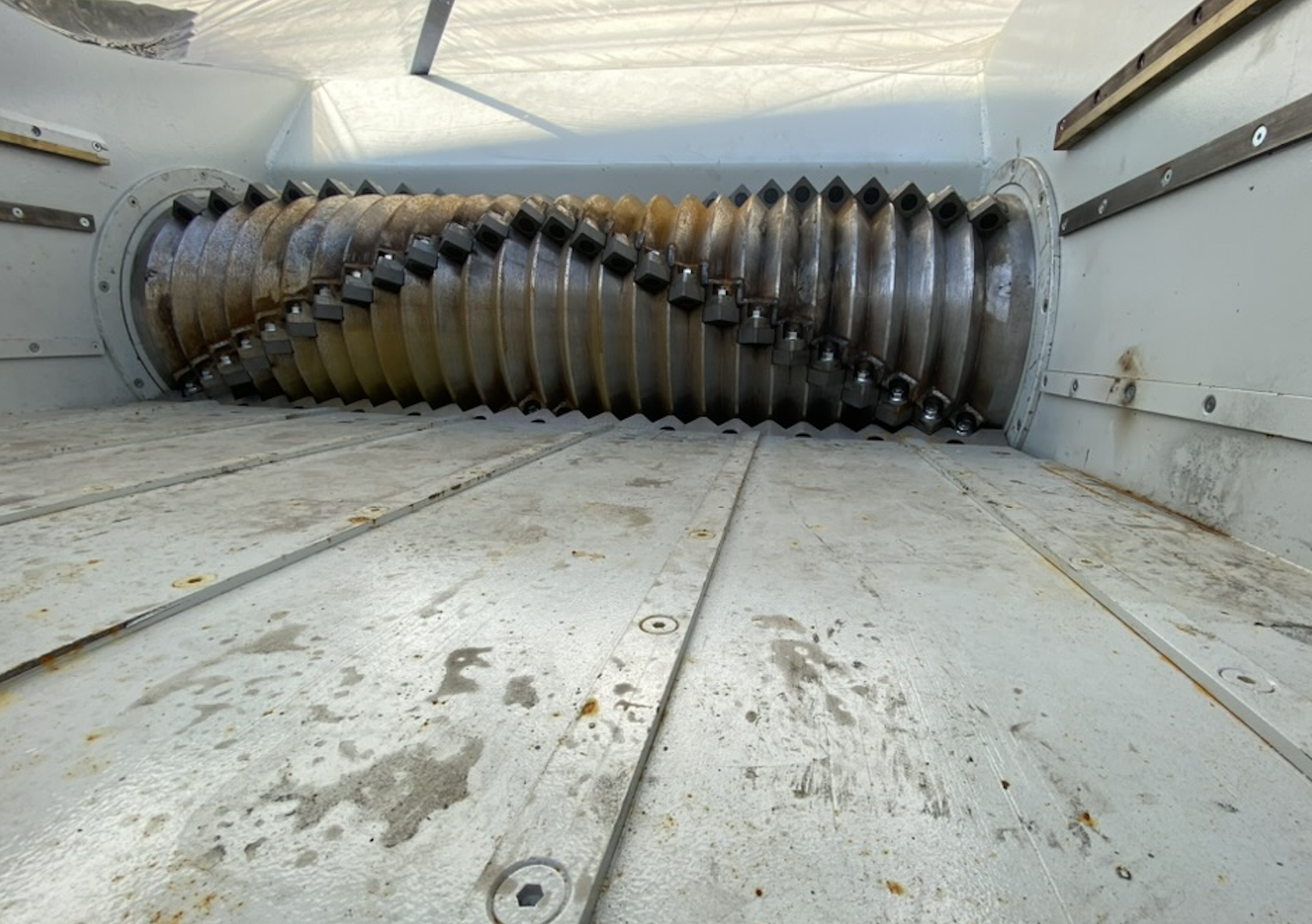
The high hard blade