

GREENSORT developed scrap sorting systems can optimize the value of Heavy Melting Scrap.The cutting-edge technology bring efficiency and sustainability in separation processes.
Heavy Melting Scrap (HMS) plays animportant role as a secondary raw material in the steel sector. However, its heterogeneous composition, often contaminated with dust, non-metallic materials, and organic residues, can compromise the effectiveness of melting processes.
Such impurities lead to increased energy consumption, a reduction in the quality of the finished product, and greater slag production.
The Scrap Soring System (SSS) developed by GREENSORT represent an advanced technological solution for upgrading heavy scrap. They enable the transformation of scrap into homogeneous material, clean and ready for re-melting, by eliminating contaminants.
The result is a decrease in operational costs, an improvement in metallurgical yield, and enhanced environmental sustainability in production.
The following sections will analyze the technical characteristics and the economic and environmental benefits resulting from the implementation of scrap metal sorting lines.
The result is a reduction in operational costs, an improvement in metallurgical yield and a more sustainable production from an environmental and energy perspective.
The following paragraphs will analyze the technical characteristics, economic advantages and environmental benefits resulting from the deployment of GREENSORT system for scrap metal cleaning.
Here is what we will cover:
How does a scrap sorting system work?
What are the technical characteristics of the system?
What are the benefits of Heavy Melting Scrap (HMS) recycling?
How does a scrap sorting system work?
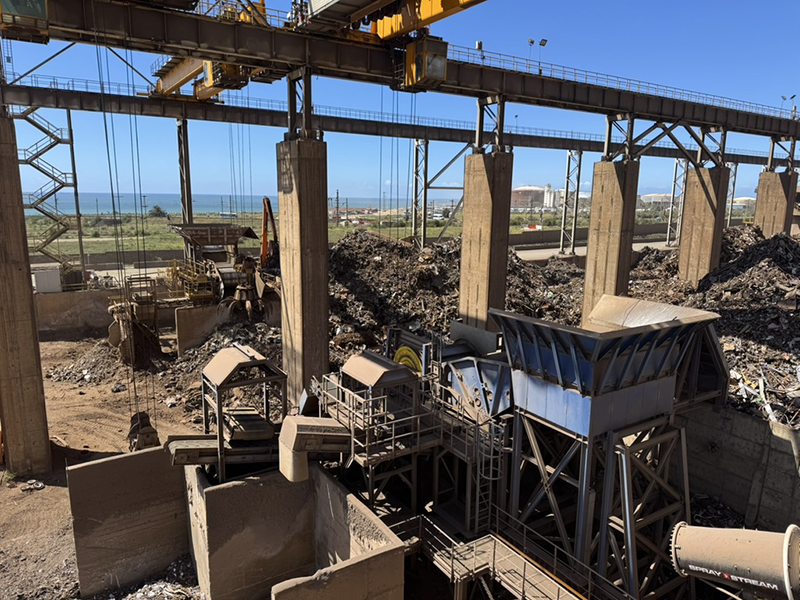
Understanding the operation of a Scrap Sorting System is essential for accurately evaluating the investment and optimizing the recovery processes of heavy scrap or HMS. These systems integrate state-of-the-art magnetic separation technologies designed to ensure maximum efficiency in the removal of contaminants, dirt, inert materials, and non-ferrous metals
A high-performance line must operate continuously, manage high volumes, and ensure precision even in the presence of irregular particle sizes.
The efficacy of an SSS is linked to a precise calibration of operating parameters, the quality of the magnets, and the accuracy of preliminary phases, such as feeding and pre-screening. External factors, including moisture, the size of the input material, and the type of contaminants present, exert a direct influence on the overall performance of the SSS.
The main operational phases of a scrap Sorting System (SSS) include:
Controlled loading hopper: ensures a uniform and constant flow of Heavy Melting Scrap toward the subsequent treatment phases.
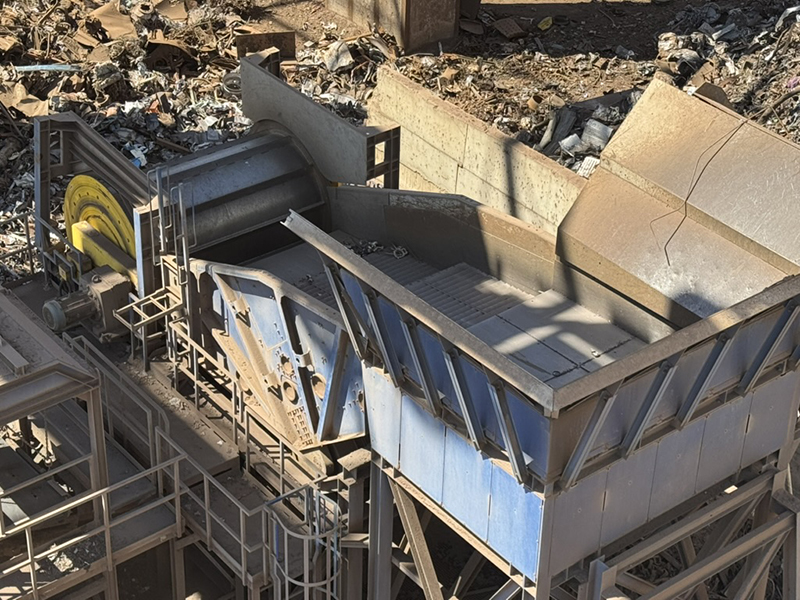
Vibrating feeder with de-dust screen: allows non-ferrous dust and other unwanted lightweight materials to drop before the magnetic drum separation.
Magnetic drum: features transverse polarities and ensures maximum strength for turning over large ferrous pieces and a homogeneous magnetic field along one half of the drum’s circumference.
Final magnetic belt conveyor: ensures the definitive sorting of the separated HMS, guaranteeing purity levels exceeding 99%.
The proprietary technology of the GREENSORT electromagnetic drum is the core of the SSS. The transverse polarity configuration allows operation with a greater distance between the belt and the drum, has the capacity to attract any type of scrap shape, optimizing separation efficiency and offers high resistance to mechanical wear.
Relying on GREENSORT means counting on decades of experience in the design of customized Scrap sorting system, with modular solutions adaptable to the specific production needs of every steel mill.
What are the technical characteristics of the system?
The technical characteristics of an SSS system directly influence operational efficacy and the quality of the recycled ferrous material. Accurate sizing requires an in-depth analysis of the input material, the desired production capacity, and the specific quality requirements of the final product.
Effective design makes it possible to achieve high production capacity, ensuring that every component works in synergy, optimizing energy consumption, and minimizing maintenance costs.
The integration of sensors and continuous monitoring systems maximizes the cleanliness of the heavy scrap or Heavy Melting Scrap (HMS), allowing for the timely detection of any anomalies and reducing plant downtime. These measures ensure that the system operates at its maximum potential. The main specifications of the SSS systems include:
Scalable operational capacities: models ranging from 50, 100, and 150 tons/hour, adaptable to different production needs and easily expandable.
Electromagnetic Drum: neodymium magnets with transverse polarities for precise separation of contaminants from the metal, improving product quality.
Integrated screening system: de-dusting and removal of lightweight fractions prior to the main separation, increasing efficiency and protecting magnetic components.
An SSS system is designed to work without interruptions even in demanding industrial environments.
What are the benefits of Heavy Melting Scrap (HMS) recycling?
The benefits of Heavy Melting Scrap (HMS) recycling are not limited to mere economic return; they represent a strategic leverage point for industrial sustainability and long-term competitiveness.
The adoption of advanced SSS systems amplifies these advantages, transforming waste materials into valuable resources. In parallel, dependency on virgin raw materials is reduced, cutting CO₂ emissions, energy consumption, and preserving non-renewable natural resources.
Understanding how these technologies increase the recovery and value of scrap allows for more efficient resource allocation, avoiding investments in inadequate systems. The main advantages of SSS’s Scrap Sorting System (SSS) for HMS include:
Increased furnace yield: boosting steel productivity through the use of purified metal and reducing process times.
Significant energy savings: energy consumption up to 95% lower compared to production from virgin raw materials.
Slag reduction: decreased volumes of waste and reduced costs associated with maintaining slag basicity.
Positive environmental impact: reduction in CO₂ emissions, dust, and the overall impact of extractive activities.
Leveraging a consolidated experience in the development of innovative solutions for material lifting and separation, GREENSORT confirms its position as a sector leader.
Choosing an SSS GREENSORT means investing in a high-efficiency system, engineered to purify scrap, minimize contaminants, and elevate the quality of the produced steel.
Contact us to discover how to optimize scrap metal recycling processes in your company and contribute to a more sustainable future.