

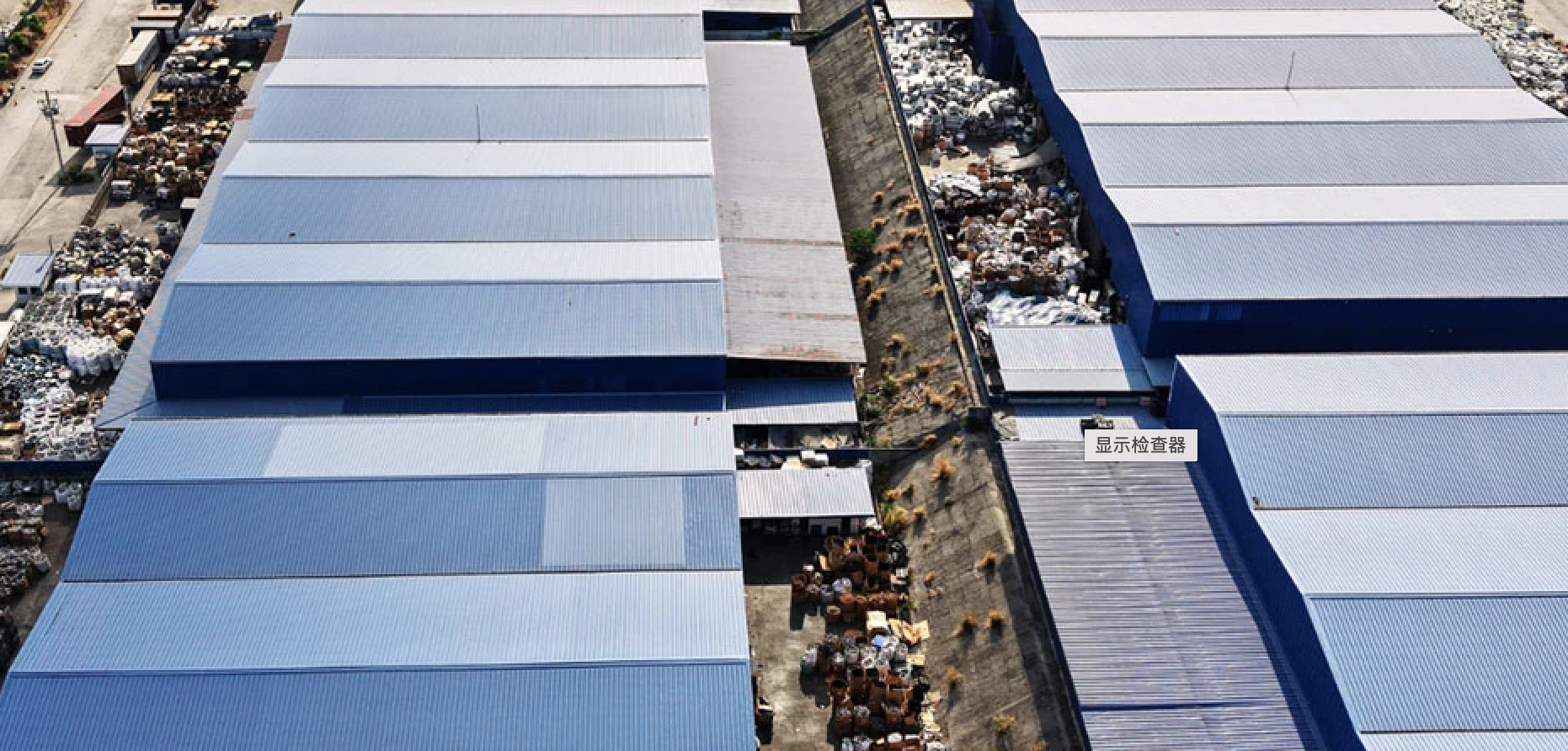
More than 180 shipping containers from the U.S. are scheduled to arrive at the Subic Bay Freeport Zone in the Philippines between Aug. 6 and Sept. 30, BAN says.
The Basel Action Network (BAN), based in Seattle, has joined with members of the Manila, Philippines-based Environmental Task Force Against Illegal E-Waste Imports to the Philippines (End E-Waste Imports) to send an Operation Can Opener (OCO) alert to the Bureau of Customs (BOC) Commissioner Ariel Nepomuceno and Environmental Management Bureau (EMB) Director Michael Drake Matias of the Department of Environment and Natural Resources (DENR) in the Philippines. The OCO identifies 184 shipping containers suspected of containing illegally imported electronic scrap from the United States.
BAN says the containers are scheduled to arrive at the Subic Bay Freeport Zone in the Philippines between Aug. 6 and Sept. 30.
To properly enforce the Basel Convention, the groups say Philippine authorities should detain and inspect the suspect containers to determine whether they indeed contain Basel-controlled e-scrap. If the containers are confirmed to contain e-scrap from the U.S., BAN and its task force partners maintain that they would be considered illegal traffic under the Basel Convention’s Articles 4(5) and 9.
The warning follows a July 22 BOC action on three prior containers BAN flagged. BOC Subic District Collector Geniefelle Lagmay ordered the three suspect containers to remain on board the vessel MV Tokyo Express, citing the Philippines' obligations under the Basel Convention and Republic Act 6969 to take a precautionary approach.
According to a July 25 report by the Philippine Daily Inquirer citing the BOC, the containers had been declared on shipping documents as "scrap copper." A July 29 article from the Philippine Daily Inquirer states that the BOC placed the three containers under “Retain on Board” status, leaving them on the MV Tokyo Express when the vessel departed the port July 23, preventing their discharge at the Port of Subic. Vessel tracking reviewed by BAN confirms that the containers did not remain in Subic and were moved onward.
“We commend the Bureau of Customs for promptly acting on the prior alert and preventing suspected illegal waste trafficking from the US to the Philippines,” says Jam Lorenzo, deputy executive director of BAN Toxics, one of the convenors of the Task Force. “But that was three containers. BAN has now identified 184 more suspected containers, and the government must respond with the same urgency and resolve.”
BAN and members of End E-Waste Imports, which includes BAN Toxics, Kalikasan People’s Network for the Environment, Greenpeace Philippines and other civil society groups, are calling on the Philippine government to intercept, inspect and prevent any confirmed illegal e-scrap shipments from entering the country. The groups also emphasized the need for enforcement measures to prevent rejected shipments from simply being rerouted to another developing country.
In addition, following the E-Waste Amendments to the Basel Convention that entered into force in January of last year, nearly all e-scrap—hazardous or not—is controlled under the convention. The groups outlined this position in a July 15 civil society position paper submitted to DENR, BOC and other agencies following a July 6 interagency meeting.