

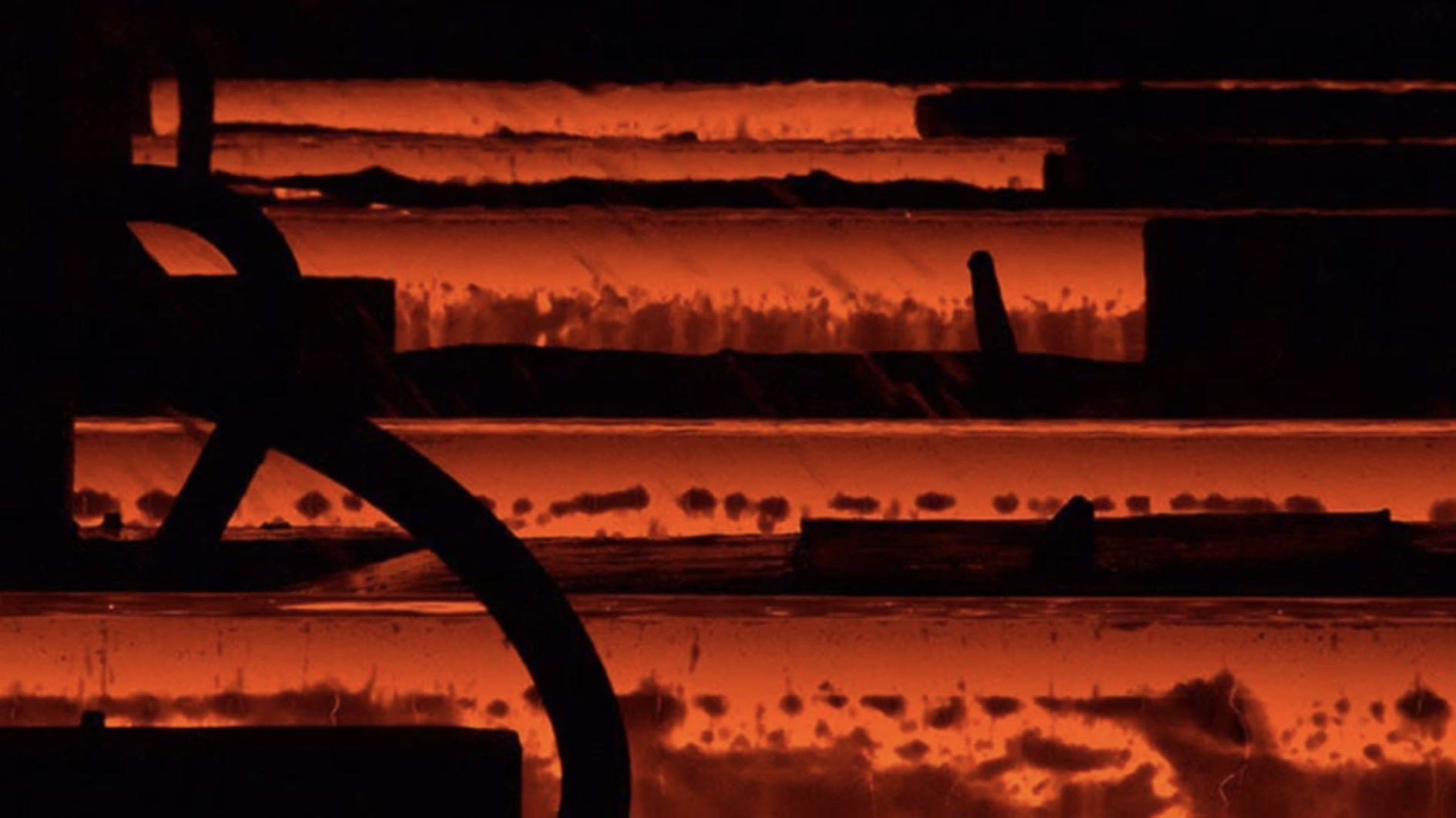
The global steel producer says it will add electric arc furnace production capacity at the Slovakian mill formerly operated by U.S. Steel.
Japan-based Nippon Steel Corp. (NSC) has announced it intends to invest nearly $1 billion in Košice, Slovakia, to add electric arc furnace (EAF) capacity at the existing blast furnace/basic oxygen furnace (BF/BOF) steelmaking campus there.
The project will take place at the mill operated by NSC’s United States Steel Košice s.r.o. (USSK) subsidiary, which it acquired along with the rest of U.S. Steel last year. The announcement confirms a media report from this June.
NSC puts a price tag of 900 million euros ($1.03 billion) on the project and says USSK signed a grant agreement with the government of the Slovak Republic in mid-September enabling access to grants of up to 350 million euros ($402 million) from the European Union Modernization Fund.
Equipment to be installed in Košice includes an EAF melt shop and a air separation unit, the firm says. Production of steel on the EAF line is expected to start in 2030. The announcement does not specifically mention the use of recycled steel as an EAF melt shop feedstock, though typically scrap is melted at EAF plants.
“The investment represents a significant milestone in strengthening USSK’s sustainable, long-term competitiveness and driving growth, while advancing the transition to low-carbon steel production in Europe,” NSC says.
The company views decarbonization and evolving market demands as opportunities to strengthen the competitiveness of USSK. The project, NSC says, will “create long-term value and will continue to provide customers with a stable supply of high-quality, low-CO₂ steel products.”
The EAF investment in Slovakia joins a parade of blast furnace-to-EAF conversion and greenfield EAF projects in Europe, where the EU government has enacted a carbon border adjustment mechanism (CBAM) policy for metal producers.
The EAF in Slovakia will have an annual production capacity of approximately 1.6 million metric tons and will be operated together with the existing blast furnace facilities to achieve what NSC calls optimal operations.
“The investment in the ASU is a key enabling investment that will support the stable operation of the steelworks while improving energy efficiency and reducing CO₂ emissions,” NSC says of the air system, which typically creates oxygen, nitrogen and argon gas. The ASU is expected to start operations in 2029, according to NSC.
In the same announcement, NSC refers to its direct ownership of USSK—rather than it being attached to U.S. Steel—which will take place Oct. 1. “On the same day, the company name will be changed to Nippon Steel Slovakia s.r.o. (NSSK)."
More than 500 miles to the southeast, the fate of another European blast furnace/BOF mill remains undetermined.
An early August report on the Romania Insider website says two attempts to sell the Liberty Galati mill in that nation via auction have been unsuccessful. The mill is owned by the GFG Alliance, a financially troubled company that has had mills in Australia and the United Kingdom taken over by government ministries.
As of early August, the media outlet writes that three investment groups were interested in the Galati mill, though none would pay minimum auction prices that had been set.
Last year, Liberty Steel announced the approval of a restructuring plan for Liberty Galați SA. At that time, Liberty said the plan involved “securing the financing needed to ensure business continuity and further development,” but an auction of the assets nonetheless took place this March.
Please note: In the future, There are oppotunity for the East of Europ market to get more business for scrap stee recycling. And definitely GREENSORT will present in this important market.